
Starting your job search without experience can feel frustrating. Many opportunities ask for experience, yet you need a job to gain it. The good news is that everyone starts somewhere—and your CV can still stand out, even if you’ve never had a formal job before.
In 2026, employers are no longer focused only on experience. They want potential, attitude, and willingness to learn. If you understand how to present yourself correctly, you can turn a simple CV into a powerful tool that opens doors.
This guide will walk you through how to write a CV if you have no experience, using a practical and human approach that works in today’s competitive job market.
Table of Contents
Start With a Strong Personal Profile
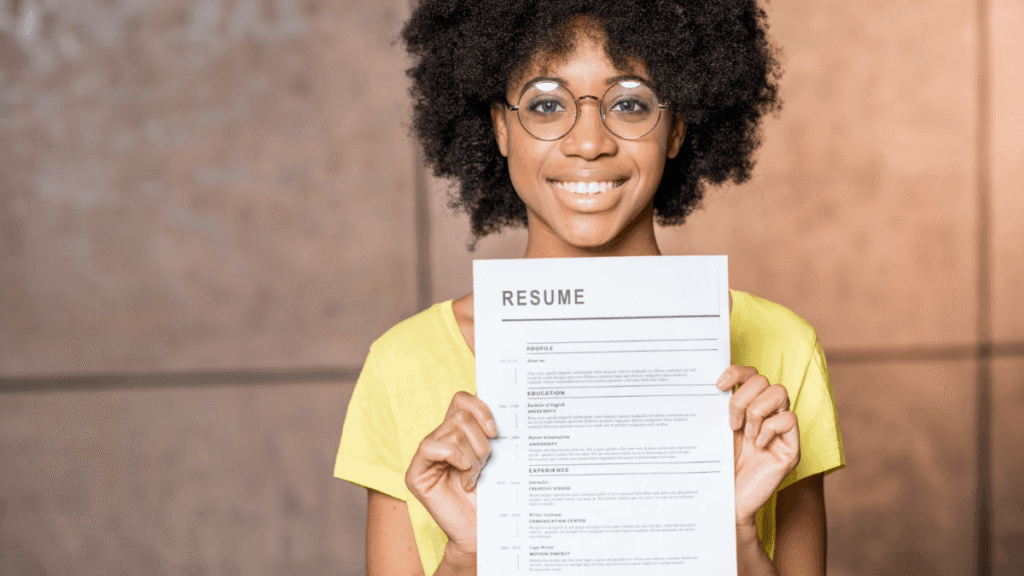
Your personal profile is the first thing recruiters see, so it needs to make an impression. This short paragraph should explain who you are, what you’re looking for, and what you can offer.
If you have no experience, focus on your strengths, goals, and attitude.
Example:
“I am a motivated and detail-oriented individual who recently completed matric, seeking an opportunity to gain practical experience in a professional environment. I am eager to learn, reliable, and committed to contributing positively to any team.”
Keep it clear and honest. Avoid copying generic statements—recruiters can spot that quickly.
Highlight Your Education
When you lack work experience, your education becomes one of your strongest assets.
Include:
- Your highest qualification (Matric or College)
- School name
- Year completed
- Relevant subjects (especially for the job you’re applying for)
If you performed well in subjects like Mathematics, Business Studies, or Computer Applications Technology, mention them. They show your capabilities.
Focus on Your Skills (This Is Where You Win)
This section is crucial when learning how to write a CV without experience. Employers often hire based on skills rather than past jobs.
Include skills such as:
- Communication skills
- Teamwork
- Time management
- Problem-solving
- Basic computer skills (Microsoft Word, Excel, Email)
- Attention to detail
Make sure your skills are realistic. If possible, think about where you developed them—school projects, group assignments, or personal responsibilities.
Include Any Practical Exposure
You might not have formal work experience, but that doesn’t mean you have nothing to show.
Think about:
- School projects
- Volunteering
- Helping in a family business
- Community involvement
- Internship or job shadowing
Even small experiences matter. They show initiative and responsibility.
Example:
“Assisted with organizing school events, managing schedules, and coordinating tasks with team members.”
Add Certifications and Short Courses
In 2026, free and online learning is more accessible than ever. Even a short course can boost your CV.
You can include:
- Basic computer courses
- Online certifications
- Workshops or training programs
These show that you are proactive and willing to improve yourself—something employers value highly.
Keep Your CV Simple and Professional
When writing your CV, design matters just as much as content.
Follow these tips:
- Keep it 1–2 pages long
- Use clear headings
- Choose a simple, readable font
- Avoid bright colors or unnecessary graphics
- Make sure there are no spelling or grammar mistakes
A clean CV shows professionalism, even if you have no experience.
Include Contact Details Clearly
Make it easy for employers to reach you.
Include:
- Full name
- Phone number
- Email address
- Location (City/Province)
Make sure your email address looks professional (avoid nicknames or slang).
Common Mistakes to Avoid
Many candidates lose opportunities because of simple mistakes. Avoid these:
- Lying about experience
- Using one CV for every job
- Including unnecessary personal details
- Submitting a CV with errors
- Making the CV too long or cluttered
Honesty and clarity will always work in your favor.
Administrative internship opportunity.
How to Stand Out Without Experience
If you want your CV to get noticed, focus on effort and presentation.
- Tailor your CV for each job
- Write a short, genuine cover letter
- Show enthusiasm for the role
- Highlight your willingness to learn
Employers understand that beginners won’t have experience. What they’re really looking for is someone who is ready to grow.
A Realistic Perspective
Think about this: every professional you see today once had no experience. What got them their first opportunity wasn’t just luck—it was how they presented themselves.
Your CV is your introduction. It tells your story before you even walk into a room. If you take the time to build it properly, you increase your chances significantly.
Do I need a cover letter if I have no experience?
Yes, a cover letter helps explain your interest in the job and shows your personality. It can make a big difference.
Final Thoughts
Learning how to write a CV when you have no experience is about shifting your mindset. Instead of focusing on what you lack, focus on what you bring—your energy, your willingness to learn, and your potential.
Opportunities are out there, especially for those who prepare well. Take your time, build your CV carefully, and apply with confidence.
Your first job won’t come from experience—it will come from effort.
Disclaimer.
CareersPath.org provides career guidance, job listings, learnerships, internships, and educational resources for informational purposes only. We make every effort to ensure the accuracy of the content, but we do not guarantee job availability or outcomes. CareersPath.org is an independent platform and is not affiliated with any government department, employer, or organization. Users should independently verify all information before applying for jobs or programs. We do not charge any fees for job applications and will never request payment from users.
Jucita Ndlovu – Administrator & Author
Jucita Ndlovu is an administrator and author at CareersPath.org, sharing information about jobs, learnerships, internships, bursaries and career opportunities in South Africa.
She graduated from the University of Limpopo in 2024 with a Bachelor of Information Studies (B.INF). Her background in Information Studies supports her work in researching, managing and communicating useful career information to readers.
You can get in contact with her using official email 📧: admin@careerspath.org